Nonprofit fundraisers sometimes are reluctant to ask for help because they might be perceived as being weak or incompetent. “Why do you want to hire a consultant? This is what we hired you for” are the words that the development officers don’t want to hear.
How our counselors can help:
- Present to Boards and/or Executives
- Explain the method of MGRU
- Explain the role of the Development Executive and his or her staff
- Explain the role of the Project Manager in a MGRU campaign.
A major medical center had retained our firm to determine whether or not to undertake a $35 million capital funds campaign to fund the building of a new advanced cancer research center on campus. I met with the Medical Center’s Board of Trustees and the trustees of the medical center’s foundation. The foundation was the fundraising arm of the medical center.
In the meeting, I walked them through the steps they needed to take in order to be ready to go forward with launching a fundraising campaign. I reviewed the role of the fundraising staff and board and how we would coach them through the entire process of raising the needed funds for the project. Then, the unexpected happened:
When I met with them the hospital had been raising charitable contributions since 1985 when many hospitals in America came under the new DRGs, a diagnosis-related group that is a case-mix complex system implemented to categorize patients with similar clinical diagnoses in order to better control hospital costs and determine payor reimbursement rates; a cost ceiling was established, thereby threatening the loss of income for hospitals. To help offset the lost revenue, nonprofit hospitals began to go to the public for charitable contributions to help offset revenue shortages.
- Foundation with 13 special events, rising about $2million a year
- Had not raised major gifts for projects and/or other capital needs
- Asked me to run the campaign
- Took leave of absence from the firm
- Took over the Foundation as Executive VP
- I brought in a consultant
What I want this article to address (and help our counselors to get clients) is that bringing our firm on board does not pose a threat to the development staff or the CEO:
- CEO afraid that board won’t understand the need for a consultant, or why their development staff needs help
- Development officer/staff see consultant as a threat to their job (expose their incompetence or add more work to there already busy schedule)
- As player/coach we can be an asset to them
- Bring NANOE to them is a lasting benefit
- After campaign benefits (conferences, resources, etc.
ABOUT THE AUTHOR
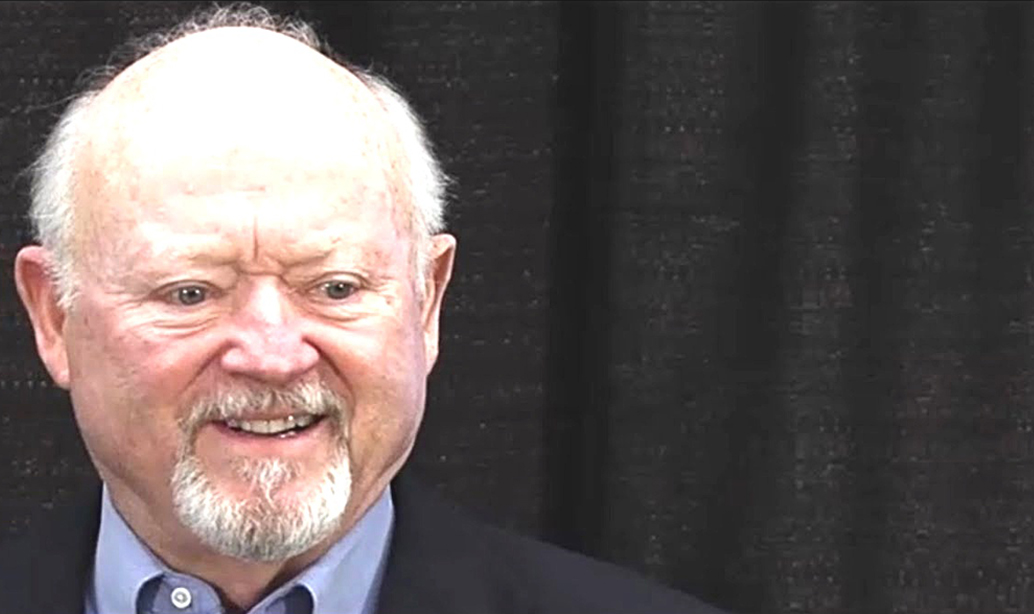
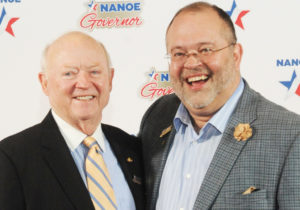 A good friend of Hall had decided to run for the U.S. Congress. Hall was asked to raise funds for the campaign. The fundraising campaign was successful, exceeding goal. Because of the successful campaign, Hall was referred to Ketchum, Inc. in Pittsburg, Pennsylvania. Hall was invited to join the firm, and serve the firm out of its newly established regional office in Charlotte, NC. After a year of on-the-job training, he was assigned to direct, what was at that time, the largest capital campaign conducted in Charlotte. The $10 million campaign to fund a youth and young adult alcohol and drug treatment facility exceeded its goal. The Board of Directors asked Hall to establish and serve as the CEO of a supporting foundation. It would serve as the fundraising arm of the organization. The Amethyst Foundation was established.
During his time at Amethyst Foundation, Hall helped establish the first National Society of Fundraising Processionals (NSFRE) – later renamed Association of Fundraising Professionals (AFP) chapter in Charlotte, NC, as he did so again In Wilmington, NC a few years later. Hall was awarded the Certified Fund-Raising Executives (CFRE) designation in 1989 while earning his MBA in the first Executive MBA program at Winthrop University. Soon after he graduated from Winthrop, Hall was invited to participate in the College of Business as an adjunct professor.
Soon after his retirement to Kure Beach, NC, Hall was introduced to Jimmy LaRose and the Major Gifts Ramp Up model that is offered and implemented for nonprofit clients through Development Systems International (DSI). Seeing how the donor-sensitive model of major gifts fundraising reflected his own convictions, and ethical principles of helping clients build long-term relationships with donors, while helping clients to achieve financial stability, Hall joined DSI as Senior Vice-President, and continues to serve clients through his cohort of fellow consultants.